%20--%3e%3cdefs%3e%3cstyle%3e%20.st0%20{%20fill:%20none;%20}%20.st1%20{%20fill:%20%23bc601c;%20}%20.st2%20{%20fill:%20%23e4e1dc;%20}%20.st3%20{%20fill:%20%231e384b;%20}%20%3c/style%3e%3c/defs%3e%3cg%3e%3cpath%20class='st3'%20d='M281.13,268.65c-71.62,0-143.94-5.46-221.08-16.7l-15.83-2.31-4.09-15.47c-14.67-55.48-14.67-114.14,0-169.63l4.09-15.47,15.83-2.3c77.14-11.24,149.45-16.7,221.08-16.7s143.94,5.46,221.08,16.7l15.83,2.3,4.09,15.47c14.67,55.49,14.67,114.15,0,169.63l-4.09,15.47-15.83,2.3c-77.14,11.24-149.45,16.7-221.08,16.7Z'/%3e%3cg%3e%3cpath%20class='st2'%20d='M509.98,67.76l-1.97-7.44-7.61-1.11c-151.64-22.09-286.89-22.09-438.53,0l-7.61,1.11-1.97,7.44c-14.11,53.39-14.11,109.82,0,163.2l1.97,7.44,7.61,1.11c75.82,11.05,147.55,16.57,219.27,16.57s143.45-5.52,219.27-16.57l7.61-1.11,1.97-7.44c14.12-53.38,14.12-109.82,0-163.2Z'/%3e%3cg%3e%3cpath%20class='st1'%20d='M498.72,70.74c-150.45-21.92-284.73-21.92-435.18,0-13.62,51.53-13.62,105.72,0,157.25,150.45,21.92,284.73,21.92,435.18,0,13.62-51.52,13.62-105.73,0-157.25Z'/%3e%3cg%3e%3cpath%20class='st2'%20d='M104.98,92.61h22.53v93.83h27.07l-3.33,19.67h-46.28v-113.5Z'/%3e%3cpath%20class='st2'%20d='M166.72,92.61h50.31l3.33,19.34h-30.94v27.41h26.06v19h-26.06v28.42h30.94l-3.33,19.34h-50.31v-113.5Z'/%3e%3cpath%20class='st2'%20d='M300.91,92.61l-23.88,113.5h-22.36l-23.71-113.5h23.71l11.43,77.18,12.61-77.18h22.2Z'/%3e%3cpath%20class='st2'%20d='M375.57,168.73v24.6c0,7.9-5.55,13.45-13.45,13.45h-35.82c-7.73,0-13.28-5.55-13.28-13.45v-87.77c0-8.07,5.55-13.62,13.28-13.62h35.82c7.9,0,13.45,5.55,13.45,13.62v24.1l-22.7,4.99v-21.52c0-1.01-.67-1.85-1.18-1.85h-14.46c-.84,0-1.51.84-1.51,1.85v72.47c0,1.01.67,1.68,1.51,1.68h14.12c.84,0,1.51-.67,1.51-1.68v-21.86l22.7,4.99Z'/%3e%3cpath%20class='st2'%20d='M445.01,91.94c7.23,0,12.28,5.04,12.28,12.28v90.13c0,7.23-5.04,12.28-12.28,12.28h-39.68c-7.4,0-12.27-5.04-12.27-12.28v-90.13c0-7.23,4.88-12.28,12.27-12.28h39.68ZM434.59,112.79c0-1.01-.84-1.85-1.35-1.85h-16.31c-.84,0-1.18,1.18-1.18,1.85v72.98c0,.67.51,1.51,1.18,1.51h16.31c.51,0,1.35-.67,1.35-1.51v-72.98Z'/%3e%3c/g%3e%3c/g%3e%3c/g%3e%3c/g%3e%3crect%20class='st0'%20x='-2.18'%20width='568.09'%20height='297.76'/%3e%3c/svg%3e)
Propane safety starts with knowing the smell.
If you smell rotten eggs, skunk, or a dead animal near your propane equipment — get out, then call us. Here's everything else you should know.

Phil says: Propane is one of the safest fuels around when it's installed right and respected. The smell is your first and best warning system.
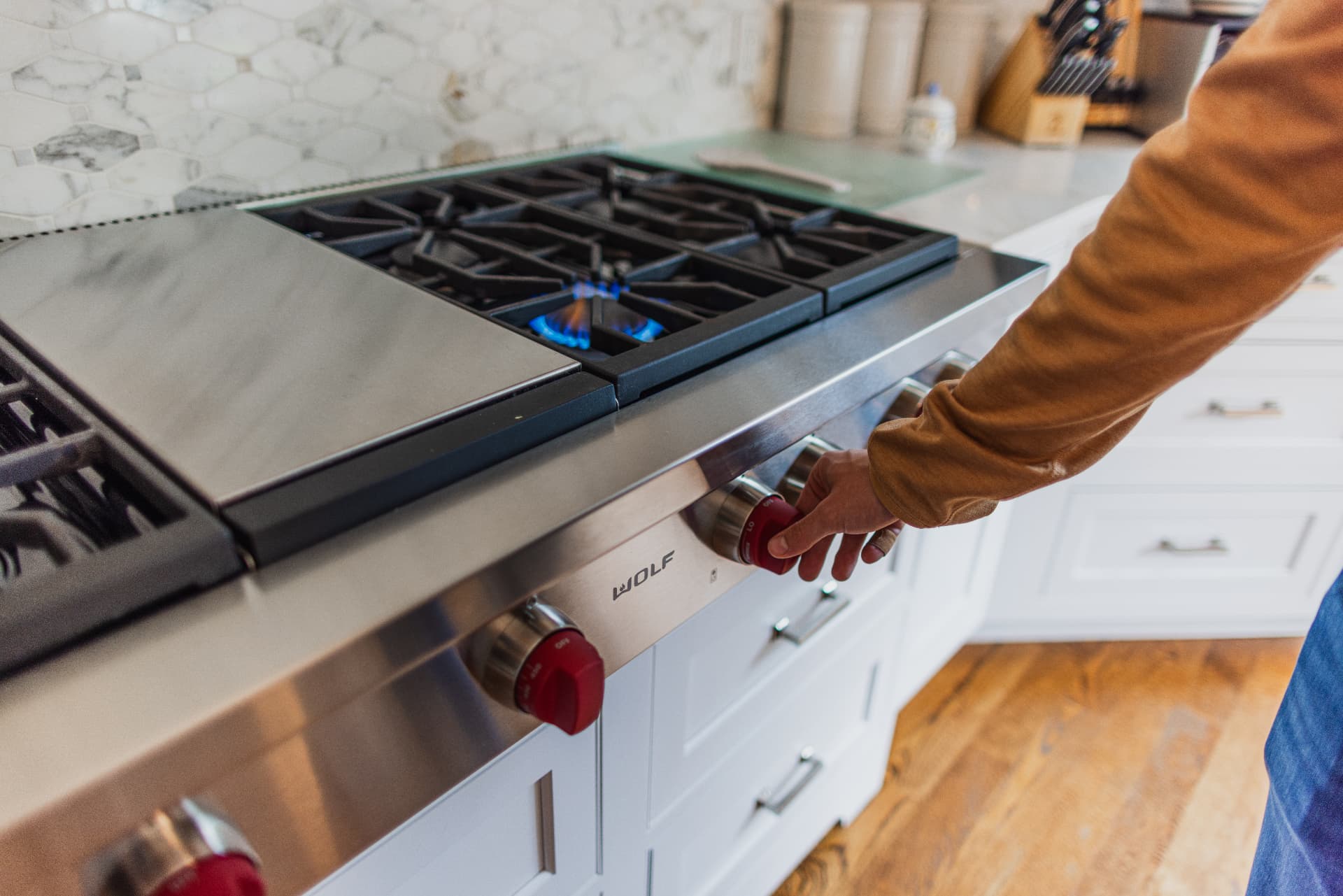
Built around how your home uses propane.
Propane is a versatile fuel, and like any fuel it deserves respect. We plan and install propane systems to applicable NFPA 58 and local requirements, complete required checks when a tank is set, and train our drivers and technicians to recognize concerns during their work. Below is the safety knowledge every propane homeowner should have on hand.
Propane delivery, handled.
- Required safety checks when a tank is installed or a system is placed in service
- Leak detection & line pressure testing
- Regulator replacement on schedule
- Tank gauge & overfill protection device (OPD) checks
- Appliance combustion analysis
- Carbon monoxide detector recommendations
- Driver/tech training to NFPA 58 standards
- Clear leak-safety guidance: leave immediately and call 911 from a safe location
Programs & options
Frequently asked questions
- What does propane smell like?
- Propane is naturally odorless. Suppliers add an odorant (ethyl mercaptan) that smells like rotten eggs, a skunk's spray, or a dead animal. If you smell that near your equipment or basement, treat it as a leak.
- What do I do if I smell propane?
- 1) No flames or sparks — don't operate light switches, phones, appliances, or thermostats. 2) Get everyone out of the house. 3) From a safe distance, shut off the gas at the tank if you can do so safely. 4) Call 911 and then call Levco at (203) 533-8249. Don't go back inside until a qualified technician says it's safe.
- Why does propane sometimes smell only briefly?
- Brief odor near a stove or water heater that goes away may just be ignition. Persistent odor, odor that returns, or odor without an obvious source is a leak — call us.
- What about carbon monoxide?
- Any combustion appliance — propane, oil, gas — can produce CO if it's malfunctioning or improperly vented. Every CT home with combustion appliances should have working CO detectors on each level and outside sleeping areas. We check venting on every service visit.
- How often should my propane system be inspected?
- Annually, at minimum. Levco maintenance-plan customers get full system inspection, regulator and connection testing, and combustion analysis as part of the annual visit.
- Is propane safe to store underground?
- Yes. Underground propane tanks are protected from weather, vandalism, and most physical damage. They include cathodic protection against corrosion and are inspected to NFPA 58 standards. Many CT homeowners prefer buried tanks for aesthetics.
Your next step starts here.
Propane Delivery
Learn about reliable propane delivery and service for heating, hot water, cooking, generators, and more.
Explore Propane DeliveryPropane Tank Options
Above-ground, underground, owned, or leased — we fit your home.
Learn moreFAQs
Answers on delivery, pricing, equipment, and service.
Learn moreLet's Talk
Not sure where to start? Tell us what you need and our local team will help point you in the right direction.
Contact LevcoHeating Oil Delivery
See how Levco keeps your home supplied with dependable automatic delivery, flexible pricing options, and local support.
Explore Heating Oil DeliveryHeating Service
Get expert repair, maintenance, and replacement support for your home’s heating system.
Explore Heating ServiceHave a propane safety question? Talk with our team.
Talk with a local Levco team member about fuel, service, or equipment for your home.